Ordering Coffee in English
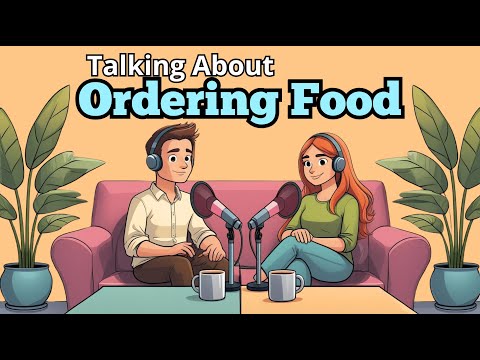
Axel and Celia visit a coffee shop and learn how to order drinks politely. They practice common phrases used when buying coffee in English.
Discover helpful tips, strategies, and insights to improve your English
Axel and Celia visit a coffee shop and learn how to order drinks politely. They practice common phrases used when buying coffee in English.
Axel shows Celia professional ways to introduce yourself in interviews. Learn alternatives to 'My name is' for better impressions.
Axel and Celia discover a heartwarming tale about kindness. They learn how small acts of generosity can create big magic.
Join Axel and Celia as they follow Lucas the wizard and Luna on their magical journey. Learn English through this enchanting story!
Axel discovers how small daily changes can transform his life. Celia shares wisdom about building positive habits that lead to lasting happiness.
Axel and Celia practice ordering food at restaurants. Learn essential phrases for dining out and making reservations.
Axel and Celia teach essential phrases for ordering food at restaurants. Learn how to ask for menus, place orders, and make requests politely.
Axel and Celia discuss managing work pressure and making weekend plans. Learn practical English for workplace stress and leisure activities.
Axel teaches Celia how to write professional follow-up emails after job interviews. Learn the key phrases and structure to impress employers.
Axel and Celia watch a touching 3D story about hope and light. They learn about emotions and never giving up in difficult times.
Axel tells Celia a spine-chilling ghost story. Can you follow along without getting too frightened by the mysterious events?
Learn daily routine vocabulary with Axel and Celia. Practice describing your day from morning to night with easy examples.
'I'd like' is more polite than 'I want' when ordering. It's a contraction of 'I would like'.
Examples:
Use 'Can I' to make polite requests. It sounds friendlier than direct commands.
Examples:
Use 'Do you have' to ask if something is available. It's polite and clear.
Examples:
Always use 'please' when asking and 'thank you' when receiving. It shows good manners.
Examples:
Use present simple tense when introducing yourself professionally. It sounds direct and confident.
Examples:
Connect your name with your profession using 'and' or commas. This creates flow and shows purpose.
Examples:
Match your language level to the situation. Interviews require more formal language than casual meetings.
Examples:
Include your expertise or reason for being there. This makes introductions more meaningful and memorable.
Examples:
Use past simple to tell what happened in stories. Add -ed to regular verbs.
Examples:
Use adjectives before nouns to describe characters and objects. They make stories more interesting.
Examples:
Use 'have/has + past participle' to show results that matter now.
Examples:
Use 'can', 'could', 'might' to talk about what is possible in magical stories.
Examples:
Use past simple to tell stories about completed actions. Add -ed to regular verbs or use irregular forms.
Examples:
In English, adjectives come before the nouns they describe. This helps make stories more interesting.
Examples:
Use present continuous to make stories feel alive and happening now. Add -ing to verbs.
Examples:
Use 'there is' with singular nouns and 'there are' with plural nouns to describe what exists.
Examples:
Use present perfect to describe changes that started in the past and continue now. Form: have/has + past participle.
Examples:
Use 'should', 'could', 'might' to give suggestions. 'Should' is stronger advice than 'could'.
Examples:
Always use gerund (-ing form) after prepositions. This is a common rule in English.
Examples:
Use 'going to' for planned future actions or predictions based on evidence. Shows intention.
Examples:
Use 'could' to make polite requests in restaurants. It's more formal than 'can'.
Examples:
Use 'I'd like' (I would like) to order food politely. It's very common in restaurants.
Examples:
Ask about availability using 'Do you have'. This helps you find what you want.
Examples:
Use 'prefer' or 'like' to show what you want. Add 'better' for comparisons.
Examples:
This is polite way to order food. It's more polite than 'I want'. Use it with to + verb or with a noun.
Examples:
Use 'Could you' or 'Can I' for polite requests. Add 'please' to be more polite.
Examples:
Use present simple to talk about what you like or don't like. This helps when ordering food.
Examples:
Use 'What do you recommend?' to ask for suggestions. Use 'How about...' to suggest something.
Examples:
Use present perfect to talk about recent work experiences that affect the present. It connects past actions to current situations.
Examples:
Use 'going to' for weekend plans you've already decided. It shows intention and preparation for future activities.
Examples:
Use 'should', 'could', and 'might' to give advice about work stress and weekend activities. They make suggestions sound polite and helpful.
Examples:
Phrasal verbs like 'catch up', 'wind down', and 'sleep in' are essential for natural English conversation. They're commonly used in informal speech.
Examples:
Professional emails need proper greeting, body, and closing. Use formal language and correct punctuation.
Examples:
Use varied ways to express gratitude. This shows vocabulary range and politeness.
Examples:
Use present perfect for recent experiences. This connects past actions to present situations.
Examples:
Use 'would' and 'could' for polite requests. This makes your email sound more professional.
Examples:
Use 'this' for current feelings and 'that' for past emotions. 'This story is touching' (now), 'that movie was sad' (finished).
Examples:
Use 'will' to talk about future actions or predictions. Common in emotional contexts about hope.
Examples:
When using multiple adjectives, opinion comes before fact. Size before color before material.
Examples:
Use 'am/is/are + -ing' to describe emotions happening now. Shows temporary states.
Examples:
Use past continuous to describe ongoing actions in stories. It creates suspense and sets the scene.
Examples:
Stack adjectives to create vivid imagery. Use scary, eerie, mysterious to build atmosphere.
Examples:
Words that imitate sounds make stories more engaging. They help readers 'hear' the action.
Examples:
Use specific time phrases to structure your narrative. They help sequence events clearly.
Examples:
Use present simple to talk about things you do every day. Add 's' to verbs with he/she/it.
Examples:
Use 'at' with specific times and 'in' with parts of the day. 'On' is used with days of the week.
Examples:
Words like always, usually, sometimes show how often you do something. They come before the main verb.
Examples:
Use 'first', 'then', 'after that', 'finally' to show the order of activities in your routine.
Examples:
|
Word
|
Type
|
Definition
|
Example
|
|---|---|---|---|
|
|
""
|
|
Word
|
Type
|
Definition
|
Example
|
|---|---|---|---|
|
|
""
|
|
Word
|
Type
|
Definition
|
Example
|
|---|---|---|---|
|
|
""
|
|
Word
|
Type
|
Definition
|
Example
|
|---|---|---|---|
|
|
""
|
|
Word
|
Type
|
Definition
|
Example
|
|---|---|---|---|
|
|
""
|
|
Word
|
Type
|
Definition
|
Example
|
|---|---|---|---|
|
|
""
|
|
Word
|
Type
|
Definition
|
Example
|
|---|---|---|---|
|
|
""
|
|
Word
|
Type
|
Definition
|
Example
|
|---|---|---|---|
|
|
""
|
|
Word
|
Type
|
Definition
|
Example
|
|---|---|---|---|
|
|
""
|
|
Word
|
Type
|
Definition
|
Example
|
|---|---|---|---|
|
|
""
|
|
Word
|
Type
|
Definition
|
Example
|
|---|---|---|---|
|
|
""
|
|
Word
|
Type
|
Definition
|
Example
|
|---|---|---|---|
|
|
""
|